September 28, 2026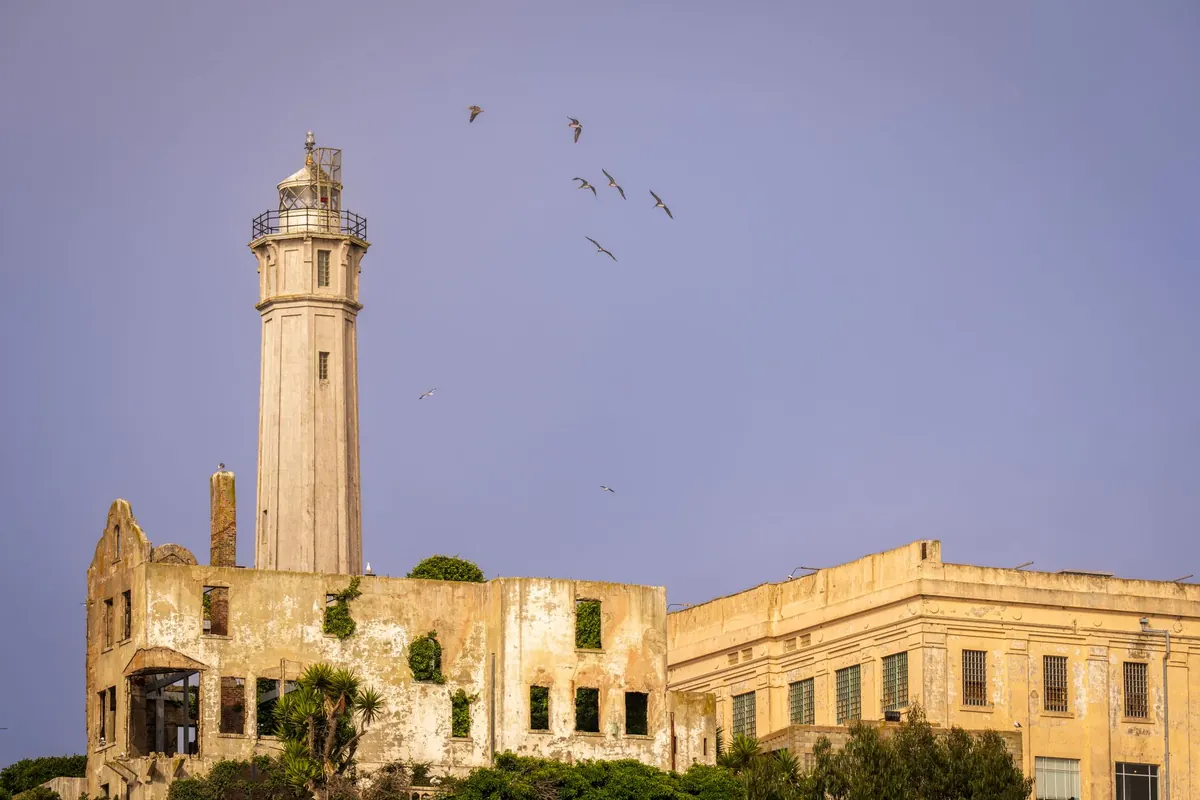
A derelict lighthouse is rarely just a building. It is a tower, a keeper’s cottage, a fog signal, a boundary wall, and a set of relationships with the sea. The romance is obvious. The work is not. Restoration begins long before scaffolding: with a clipboard, sturdy boots, and a willingness to ask hard questions about condition, money, permissions, and what the building can reasonably become.
Begin with a clear-eyed assessment
Your first visit should be about evidence, not inspiration. Take a torch, a camera, a notebook, and someone who knows historic buildings. Record everything: cracks, damp patches, rust staining, missing glazing, sagging roofs, blocked drains, and the state of every door and window. Photograph the same views each time you visit so you can compare changes.
Look at the site as a whole, not just the tower. Access tracks, sea walls, boundary walls, outbuildings, and the ground beneath your feet all matter. Coastal erosion, landslips, and exposure to salt spray can be as serious as a cracked lintel. If the structure is unsafe, do not enter. Make it safe first, then survey.
Commission a building survey from someone with historic building experience. For the tower, lantern, and any structural ironwork, you will also need a structural engineer. Their reports may be sobering, but they will tell you what is urgent, what can wait, and what may never be economically viable. Seek professional advice before you commit to a purchase or a lease.
Survey the fabric in layers
A lighthouse is a stack of different materials and risks. Break the survey down so nothing is missed.
- Tower and stairs: movement, cracks around openings, corrosion of cast-iron treads, handrail fixings, and damp in the walls.
- Lantern and gallery: glazing bars, ventilator, dome, rainwater outlets, and the condition of any surviving optic or pedestal.
- Cottages and ancillary buildings: roofs, gutters, chimneys, timber floors, plaster, and evidence of earlier alterations.
- Services and drainage: water, power, drainage, heating, and whether they can be upgraded without damaging historic fabric.
- Setting and access: paths, steps, retaining walls, coastal risk, and how people will arrive safely.
Note any previous repairs that have caused harm: hard cement pointing on soft stone, modern paints trapping moisture, or concrete patching over original details. These are common in twentieth-century maintenance and often need reversing.
Permissions and designations
Almost every lighthouse project sits inside a web of consents. The building may be listed, within a conservation area, or scheduled as an ancient monument. The foreshore and seabed may be separately regulated. You may need planning permission, listed building consent, scheduled monument consent, a marine licence, building regulations approval, and fire safety advice. Each can take months.
Talk to the local authority conservation officer early. Ask for a pre-application meeting. Bring your survey, your ideas, and your questions. In England, Historic England can advise on significant sites; Scotland, Wales, and Northern Ireland have equivalent bodies. Do not assume that because a building is derelict, anything goes. Consent still applies, and unauthorised work can lead to enforcement and damage the trust you need for funding.
Think carefully about change of use. A lighthouse that becomes a home, a museum, a holiday let, or a community space will face different requirements for access, fire escape, insulation, and services. The best schemes keep the historic plan readable while making the building work for its new life. Seek professional legal and planning advice before signing anything.
Funding the work
Restoration is rarely funded by one cheque. It is built from phases, partners, and patience. Start with emergency works: making the building watertight, secure, and stable. That protects your asset and shows funders you are serious.
Likely sources include heritage grants, charitable trusts, public appeals, crowdfunding, corporate sponsorship, and local business support. Earned income from tours, events, or accommodation can help, but check that your permissions allow it. A friends group or charitable body can widen your reach and hold funds. Budget for professional fees, surveys, insurance, and a realistic contingency. Funders will ask about ongoing maintenance, not just the build.
Keep your accounts clean, your project file organised, and your story clear. Funders want to know why this lighthouse matters, what will change, and how you will look after it. Seek professional advice from a fundraiser or accountant if the sums are large.
Restore with a light touch
The guiding principle is repair, not replacement. Match original materials where you can: lime mortar for stone and brick, breathable paints, traditional metals, and compatible timbers. Conserve ironwork rather than sandblasting it. Keep original surfaces and patina wherever possible. New work should be reversible, so future generations can read the building’s history.
In the lantern, specialist advice is essential. Glazing, ventilation, and the optic all need careful handling. If the original lens has gone, interpret its absence honestly rather than installing a fake. Hide modern services where you can, and make accessibility improvements without destroying the character that made the building worth saving. Use conservation-accredited architects and craftspeople, and ask for samples or mock-ups before full-scale work begins.
Plan for maintenance before you finish
A lighthouse is not restored once. It is restored every year, in small, unglamorous ways. Gutters need clearing, ironwork needs painting, vegetation needs cutting back, and salt will keep testing every surface. Write a maintenance plan with cycle dates and responsibilities. Train volunteers. Keep a log of every repair.
Insurance, health and safety, and visitor management are part of preservation too. A building that is safe and well run will attract more support than one that is merely beautiful. Record your work, share it, and involve local people. Their knowledge and goodwill are practical assets.
Your first practical steps
Make the site safe, photograph everything, and commission proper surveys. Meet the conservation officer. Form a small group with clear roles. Draft a phased budget and a funding plan. Start grant research early, and do not buy or lease a lighthouse until you understand the condition, the consents, and the true cost of care. Keep a project file, celebrate small wins, and remember that sensitive restoration is a long conversation between the building, the sea, and the people who love it. Seek professional advice on planning, law, money, and safety whenever the stakes are high.
Photo: Mark Stebnicki / Pexels